Front Load Washer Door Seal Moldy or Torn
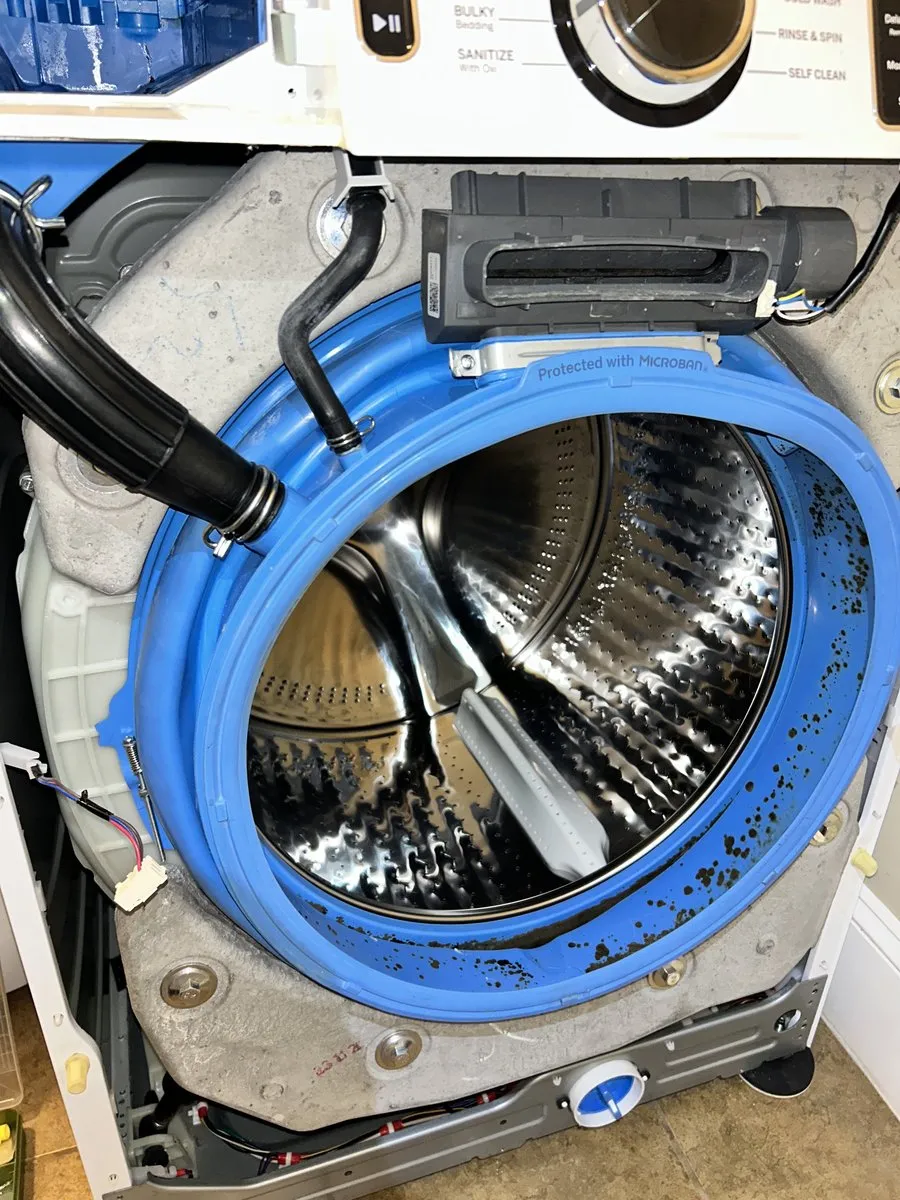
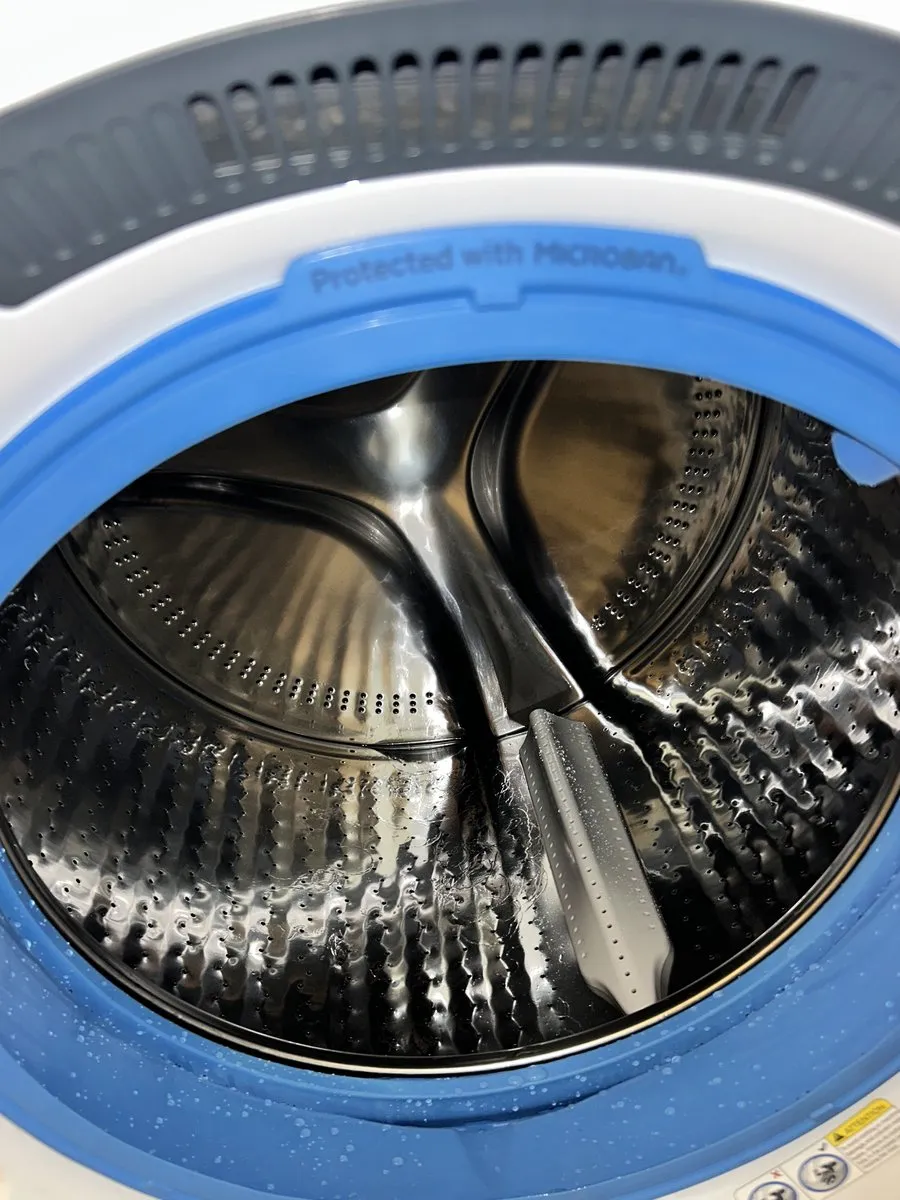
The thick rubber ring between the door and the drum of a front load washer - the door seal, or door boot - is the part that keeps the water in. It also sits wet after every load, which makes it the first place mold grows. Early on, the spots wipe off. Later they grow into the rubber itself, the smell comes back days after cleaning, and the seal may split or start to let water out at the door. At that point the seal is replaced rather than cleaned.
Common Symptoms
- • Black spots in the seal folds that no longer wipe off
- • A musty smell that returns a few days after cleaning
- • Water on the floor at the bottom of the door
- • A visible split, hole or flattened section in the rubber
- • Clothes that come out smelling damp
From a Real Repair
Recent Washer Repair Jobs
Real appliance repair work completed in Franklin and nearby areas.
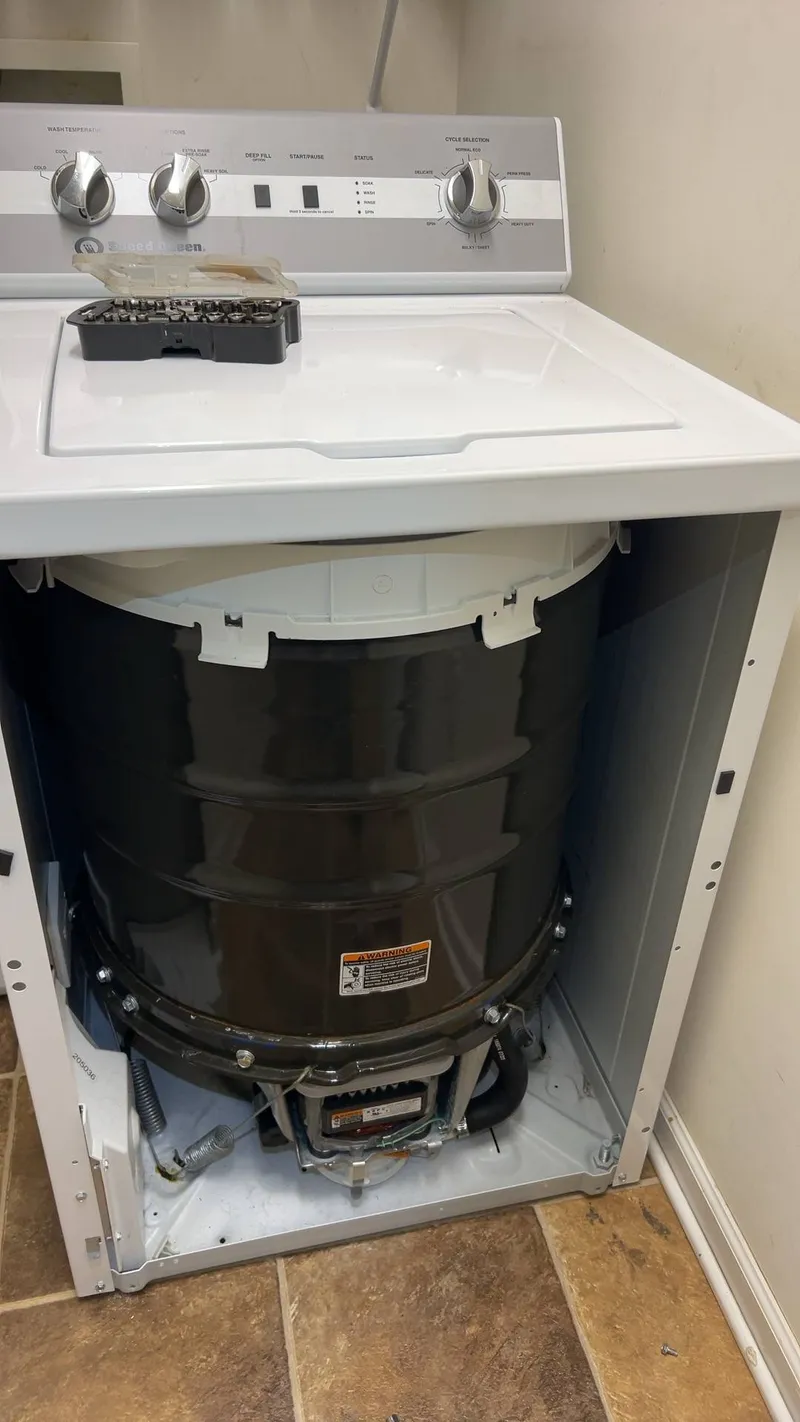
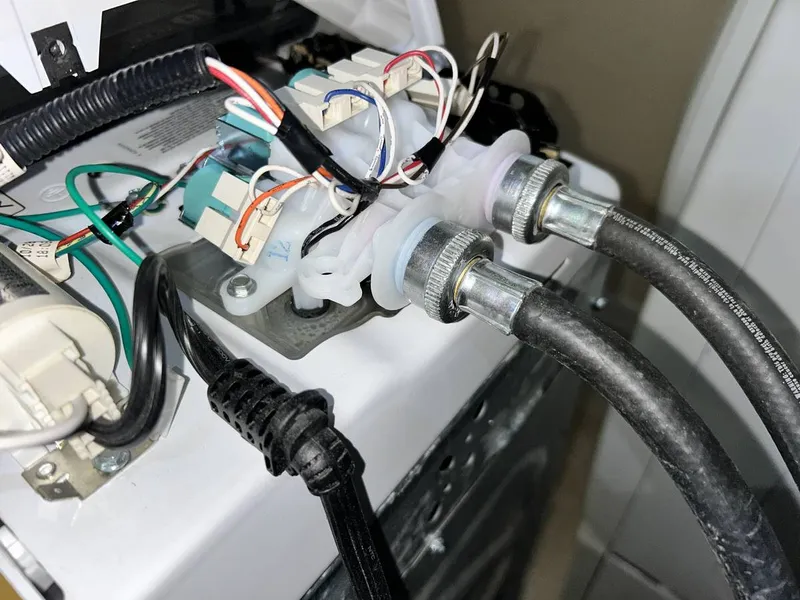
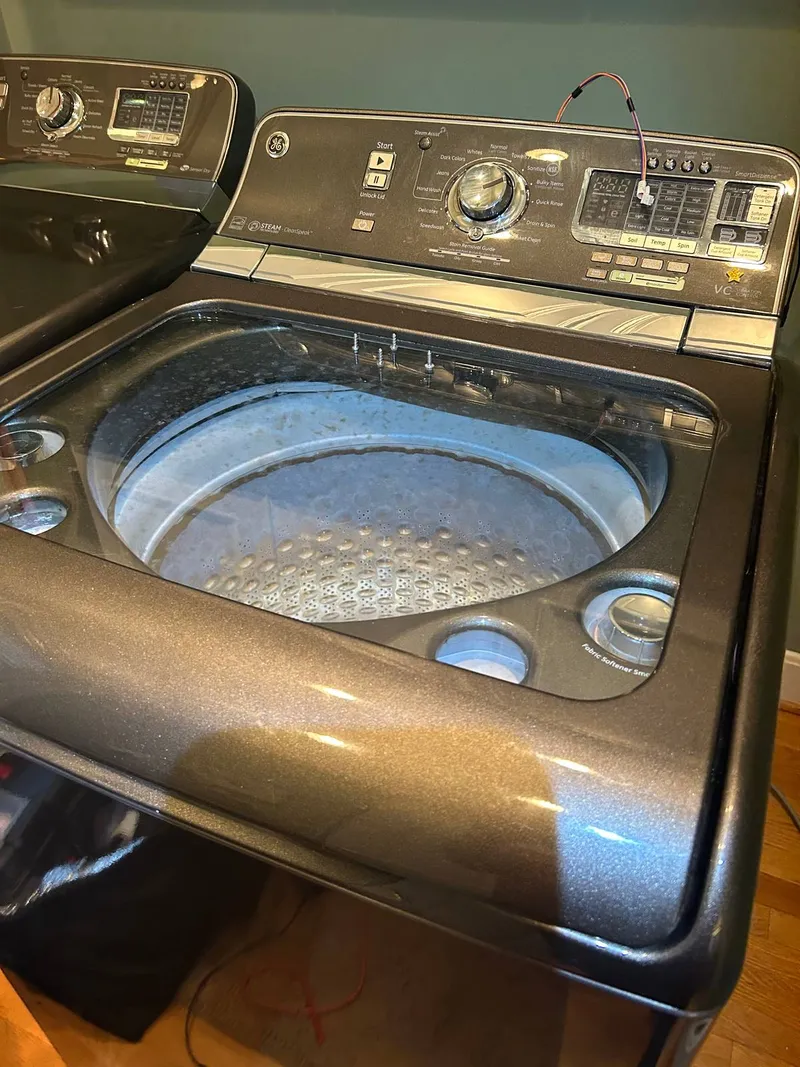
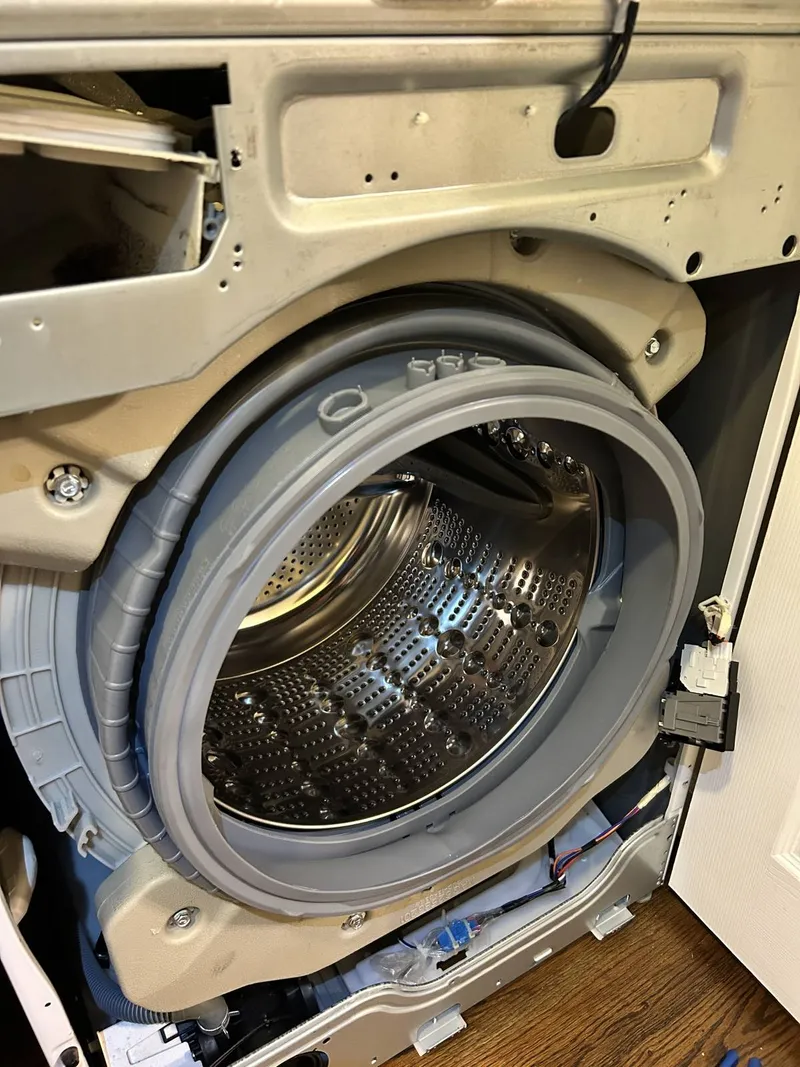
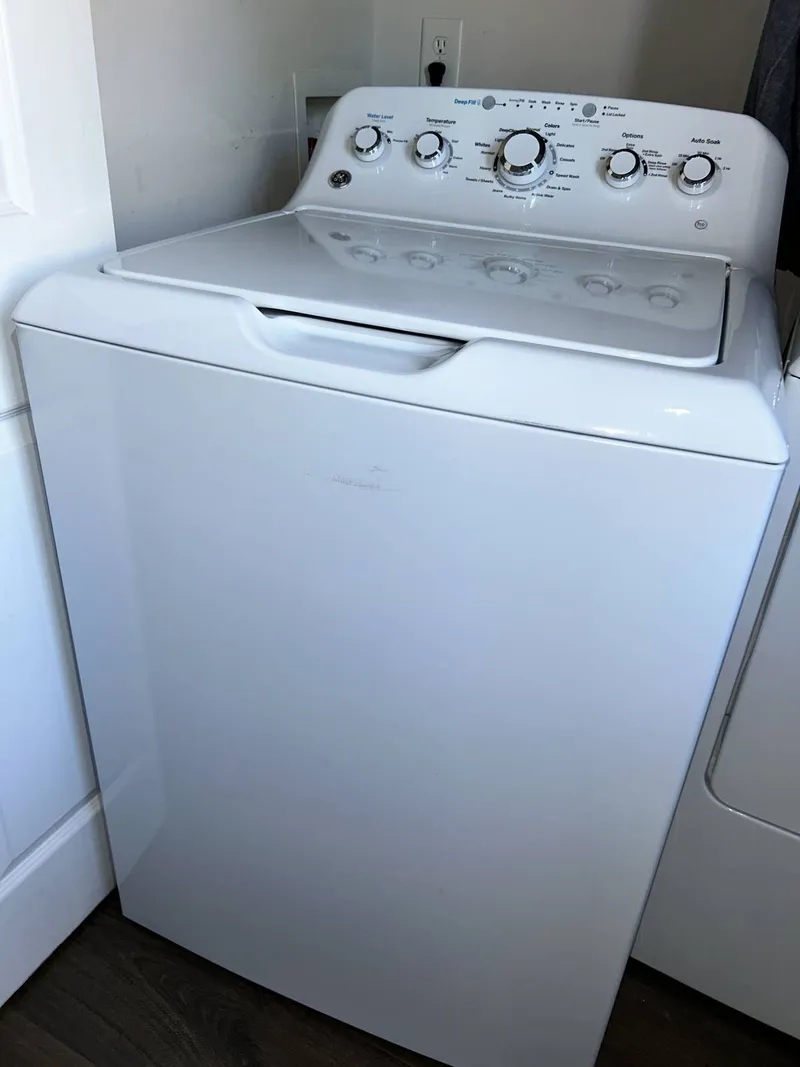
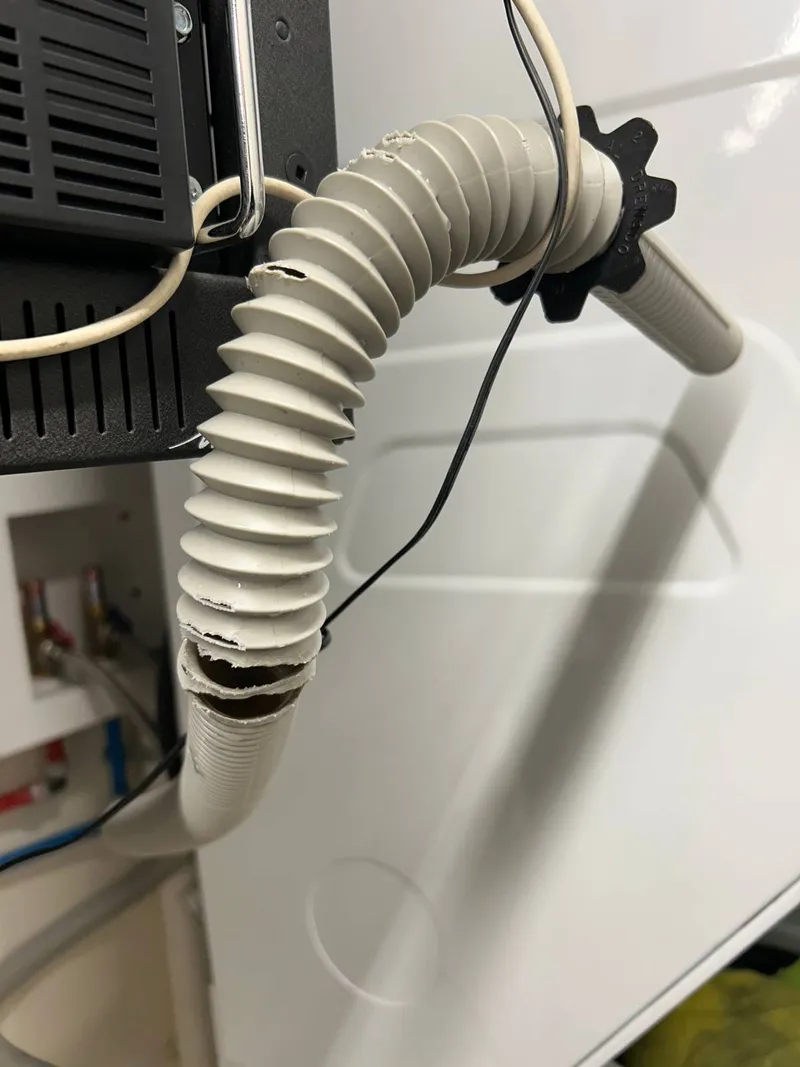
Common Causes
Front load washers save water by washing with very little of it, and the door seal is where the last of it collects. Lint and detergent residue settle in its folds, and with the door shut the rubber stays damp for days. Mold starts on the surface, where it can be cleaned, and over months works its way into the rubber, where it cannot. Separately, anything hard left in a pocket can catch in a fold during the spin and cut it.
When a Door Seal Needs Replacing
Surface mold comes off with a cloth and a hot cleaning cycle. Mold that has grown into the rubber does not: the black stays after scrubbing, and the smell comes back within days. That is the point where cleaning has stopped being the fix.
A torn or hardened seal is a different problem with the same answer. Water escapes through the split or past the stiff rubber during the wash, usually at the bottom of the door, and it gets worse with every cycle.
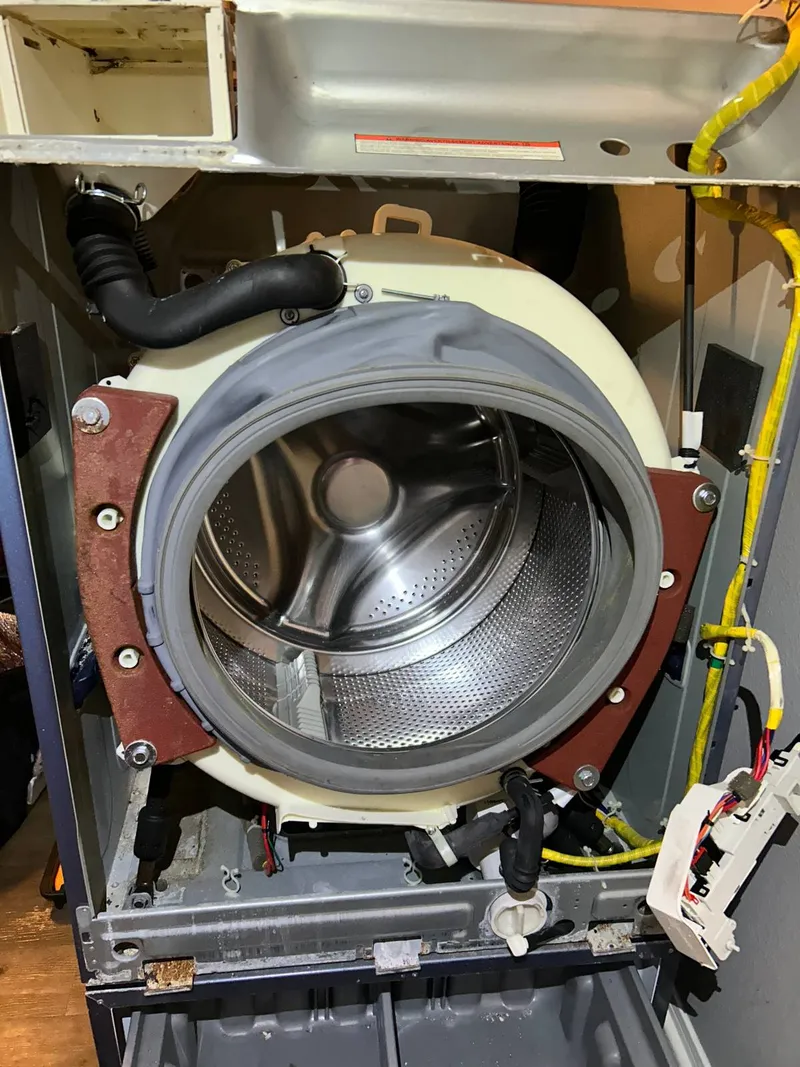
The seal is held by a clamp ring at the door and another at the drum, behind the front panel, so replacing it means taking the front of the machine apart and refitting both clamps evenly. A seal that is not seated all the way round leaks from day one, which is why it is a job for a technician rather than an afternoon project.
How to Check the Problem
Related Appliance Problems
- front load washer door seal replacement
- washer door boot mold
- black mold on washer door gasket
- front load washer gasket torn
- washer leaking from door seal
Similar Problems We Fix
Tried all that and it still will not work?
That is usually the point where the fault is a part rather than a setting. The diagnostic visit is $99 and you get the repair price before any work starts - so you can decide with the number in front of you.
Read about washer repair or see the areas we cover .
Do We Service Your Brand?
Type the brand of your appliance to check, or browse the list below.
- Samsung
- LG
- Whirlpool
- Maytag
- GE
- GE Profile
- Café
- Hotpoint
- Kenmore
- KitchenAid
- Bosch
- Thermador
- Frigidaire
- Electrolux
- Amana
- JennAir
- Miele
- Viking
- Sub-Zero
- Wolf
- Fisher & Paykel
- Speed Queen
- Dacor
- Bertazzoni
- THOR Kitchen
- Blomberg
- Asko
- Haier
- Hisense
Not on the list? We repair most major appliance brands in Franklin and Nashville. Call us and we'll confirm before you book.
Washer Repair Available In
Professional appliance repair services available across Middle Tennessee.
Frequently Asked Questions
Can I clean the mold out of my washer door seal?
If it is on the surface, yes - a cloth, a washer cleaner and a hot cleaning cycle will shift it. If the black stays after scrubbing and the smell comes back within days, the mold has grown into the rubber and the seal needs replacing.
Why is my front load washer leaking from the door?
Usually the door seal: a tear, a hardened section, or debris stopping it from sealing against the glass. Too much detergent can also push suds past it. A seal that is split or worn is replaced.
Is replacing a washer door seal worth it?
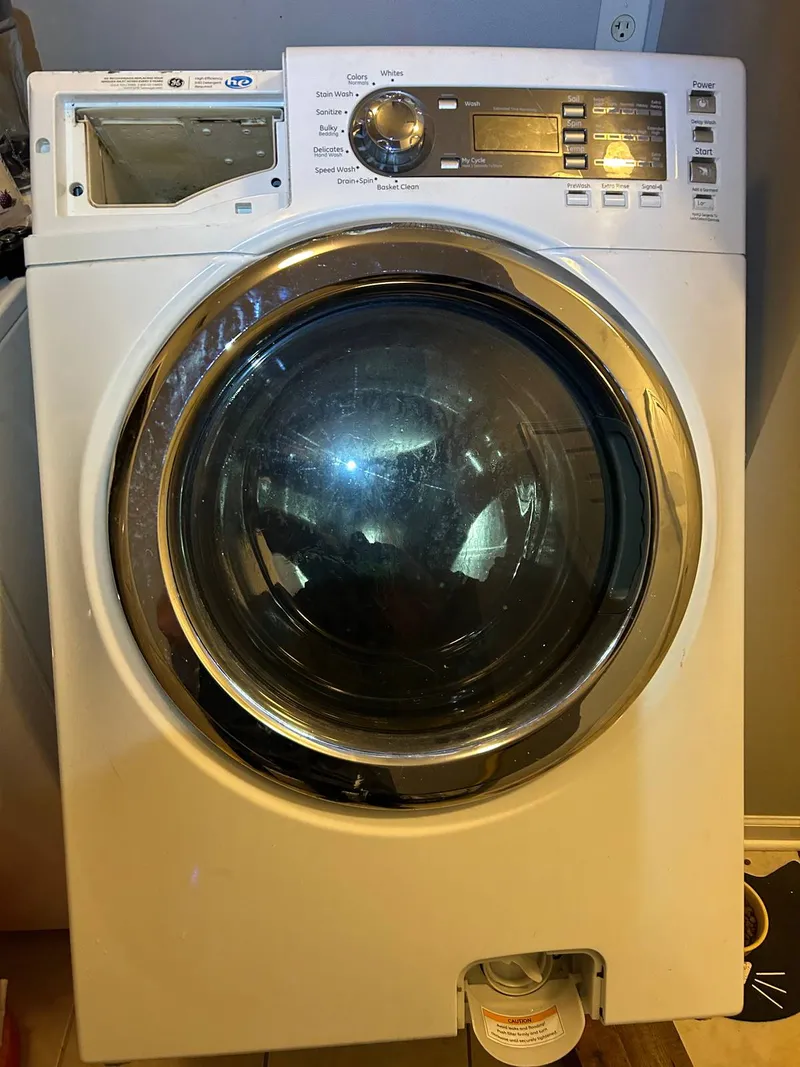
Usually, yes. The seal is a fraction of the cost of a new washer, and on a machine that otherwise runs well it brings back a dry floor and a washer that does not smell. We replaced exactly this on a GE front-loader in Franklin.
How do I stop the new seal from getting moldy?
Keep it dry: leave the door open between washes, wipe the folds after the last load, use the right amount of HE detergent and run a monthly cleaning cycle.
Need Professional Washer Repair?
Quick Repair Co provides fast in-home appliance repair across Franklin and surrounding Middle Tennessee communities.